Line tooling
Plants need brackets, fixtures, poka-yoke aids, robot grippers and assembly tools without slowing production support work.

Industry / Automotive
Automotive teams manage service parts, tooling, low-volume references, and supply risk across long product lifecycles and changing demand.
GhostMatter helps prepare selected automotive parts as governed digital inventory so teams can reduce ambiguity before sourcing, routing, or on-demand production.
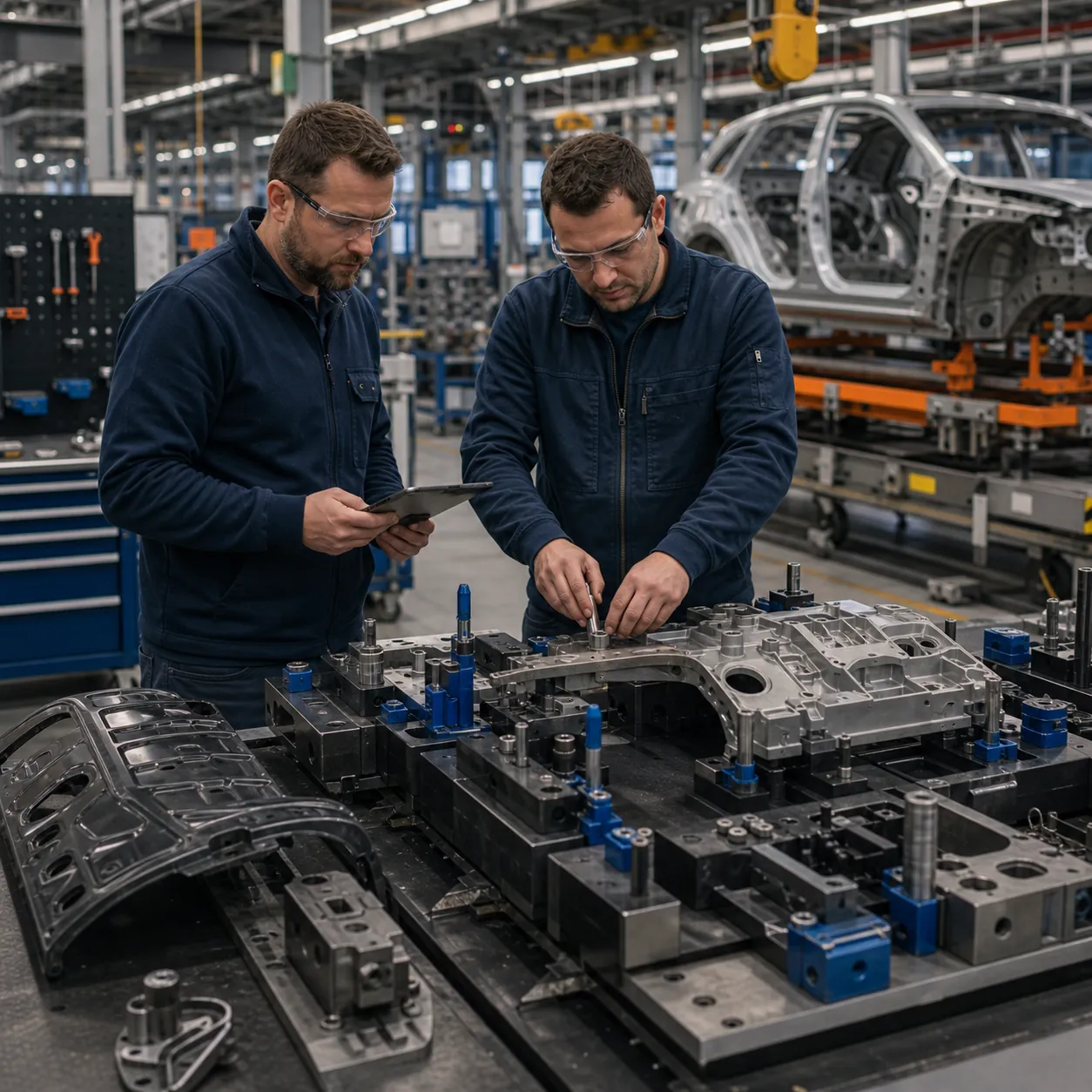
Plants need brackets, fixtures, poka-yoke aids, robot grippers and assembly tools without slowing production support work.
Old model references and aftersales components can remain needed after series production, supplier tooling or minimum orders disappear.
Engineering changes create part versions, temporary supports and local workarounds that need better governance.
Successful additive manufacturing trials need file control, route decisions and traceability to become usable across teams.
The highest-value opportunities often sit in long-tail service parts, tooling, low-volume references, and supply-constrained components.
Line-side tools, drill guides, check fixtures, ergonomic aids and repeatable supports for production teams.
Functional helpers and replacement components for internal equipment where downtime cost matters more than part price.
Service parts, old model references and niche components that need availability without permanent stock.
Controlled part versions and pilot references that need traceable readiness before broader reuse.
GhostMatter is strongest when positioned around controlled on-demand production rather than mass automotive production. The platform can help automotive teams convert selected parts into digital twins, define production readiness, route production and retain traceability for recurring needs.
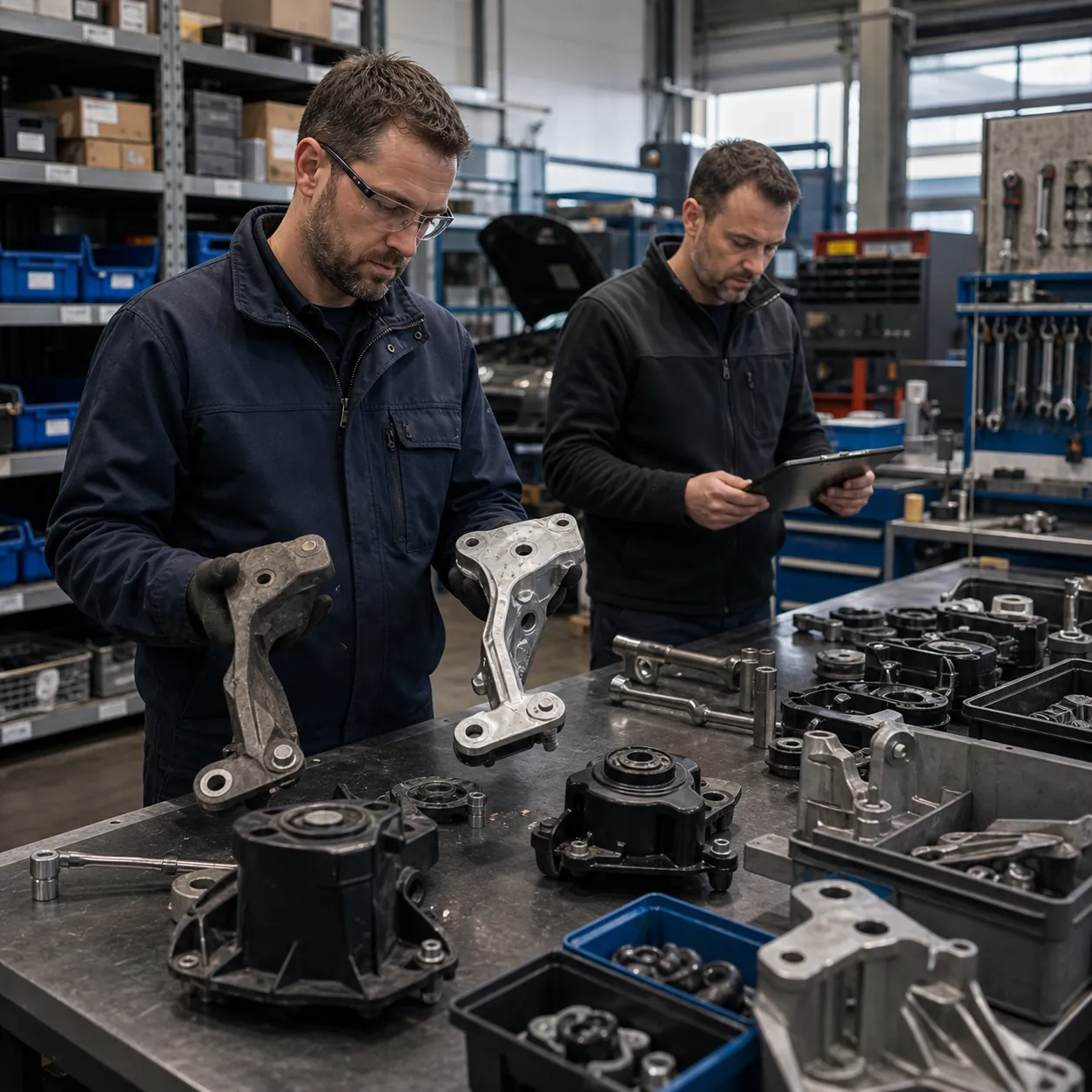
Use the same governed inventory model across pragmatic automotive workflows before expanding into broader programs.
Prioritize line tooling, fixtures and assembly aids that protect production continuity and can be reused across recurring needs.
Structure maintenance aids and internal machine parts with production rules so teams can respond without isolated one-off requests.
Keep selected service references and old model parts available after series production slows down and demand becomes harder to forecast.
Move successful additive manufacturing pilots into governed, repeatable and traceable workflows without making mass production the first claim.
Reduce friction for service references, pilot parts and support components that do not justify large tooling decisions.
Preserve files, version context and route decisions across engineering changes and plant handoffs.
Move successful additive pilots into repeatable workflows with readiness, traceability and capacity rules.
Improve coordination between methods, maintenance, aftersales, engineering and supplier teams.
Start with tooling, fixtures, maintenance aids, old model service references or low-volume parts where a governed digital asset can reduce repeat work, stock exposure or sourcing pressure.
The best first fit is not mass production. It is tooling, fixtures, maintenance parts, service parts and low-volume references where controlled digital inventory creates faster value.
Yes. It helps move from isolated additive manufacturing pilots to governed, repeatable and traceable workflows.
Part versioning should be handled through the digital twin and associated documentation, with traceability across production events.
Maintenance, tooling, engineering support, aftermarket and innovation teams are strong entry points.