OEM service promise
OEMs need to support spare parts after the original production run, even when molds, suppliers or internal drawings are no longer easy to reuse.

Industry / Industrial Equipment
Industrial equipment businesses live with installed-base economics: machines stay in service for years while many replacement parts move slowly or lose supplier support.
GhostMatter helps OEMs, operators, and maintenance teams decide which references stay physical, become governed digital inventory, or need requalification before on-demand production.
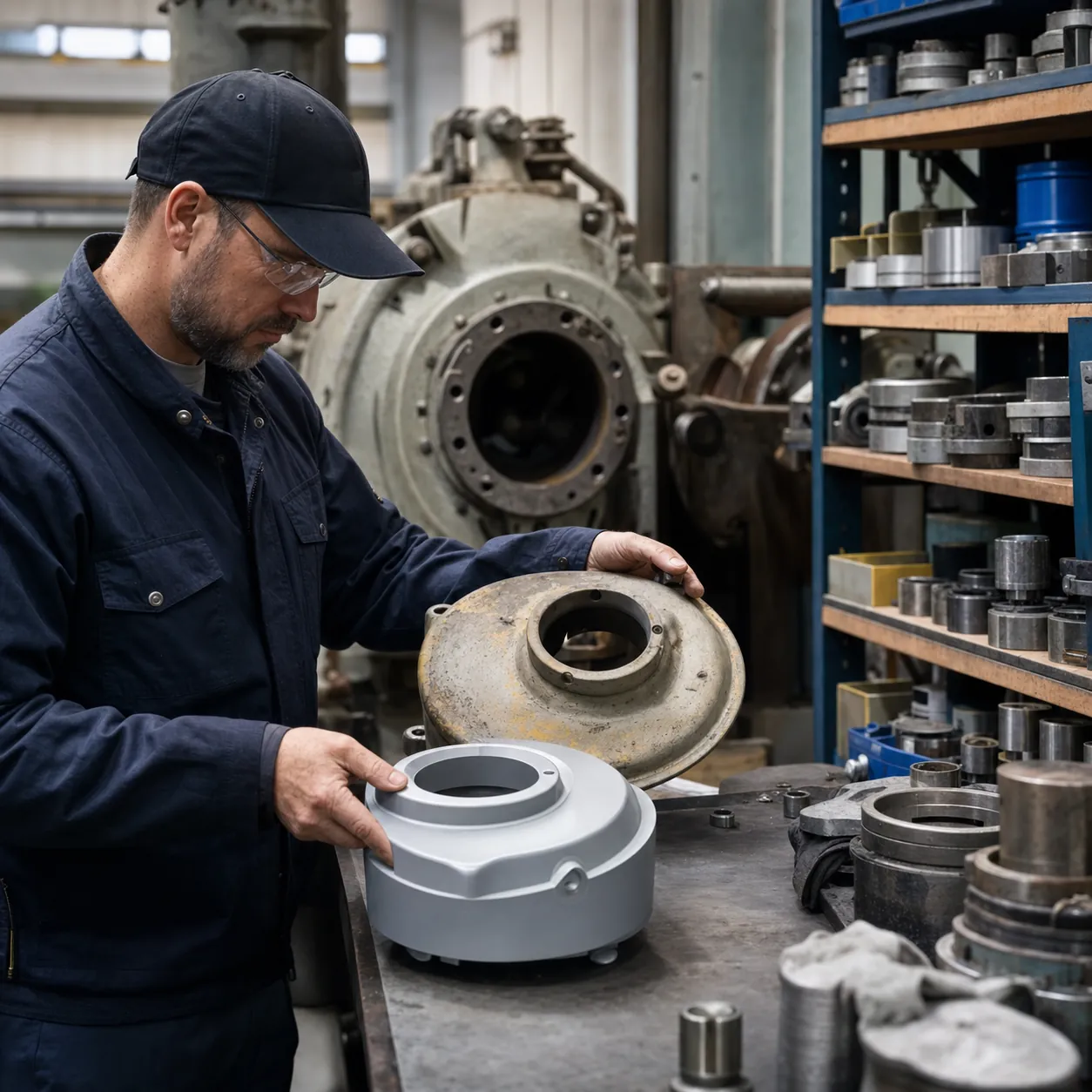
OEMs need to support spare parts after the original production run, even when molds, suppliers or internal drawings are no longer easy to reuse.
Operators need covers, supports, guards, brackets and maintenance parts available before one missing reference delays a repair window.
Maintenance teams need repeatable production rules for fixtures, aids and replacement parts, not improvised sourcing under pressure.
The relevant decision is often TCO, not unit price: stock value, sourcing effort, order handling, downtime risk and repeatability all matter.
Long equipment lifecycles create slow-moving parts, supplier changes, obsolete references, and service commitments that are hard to manage with physical stock alone.
Keep physical stock for fast movers, safety-critical items and references where the business case still favors inventory.
Move to digital inventory for long-tail covers, supports, fixtures, guards, brackets and low-volume parts where readiness can be prepared in advance.
Requalify first when the file, material, tolerance, supplier history or production process is not mature enough for controlled activation.
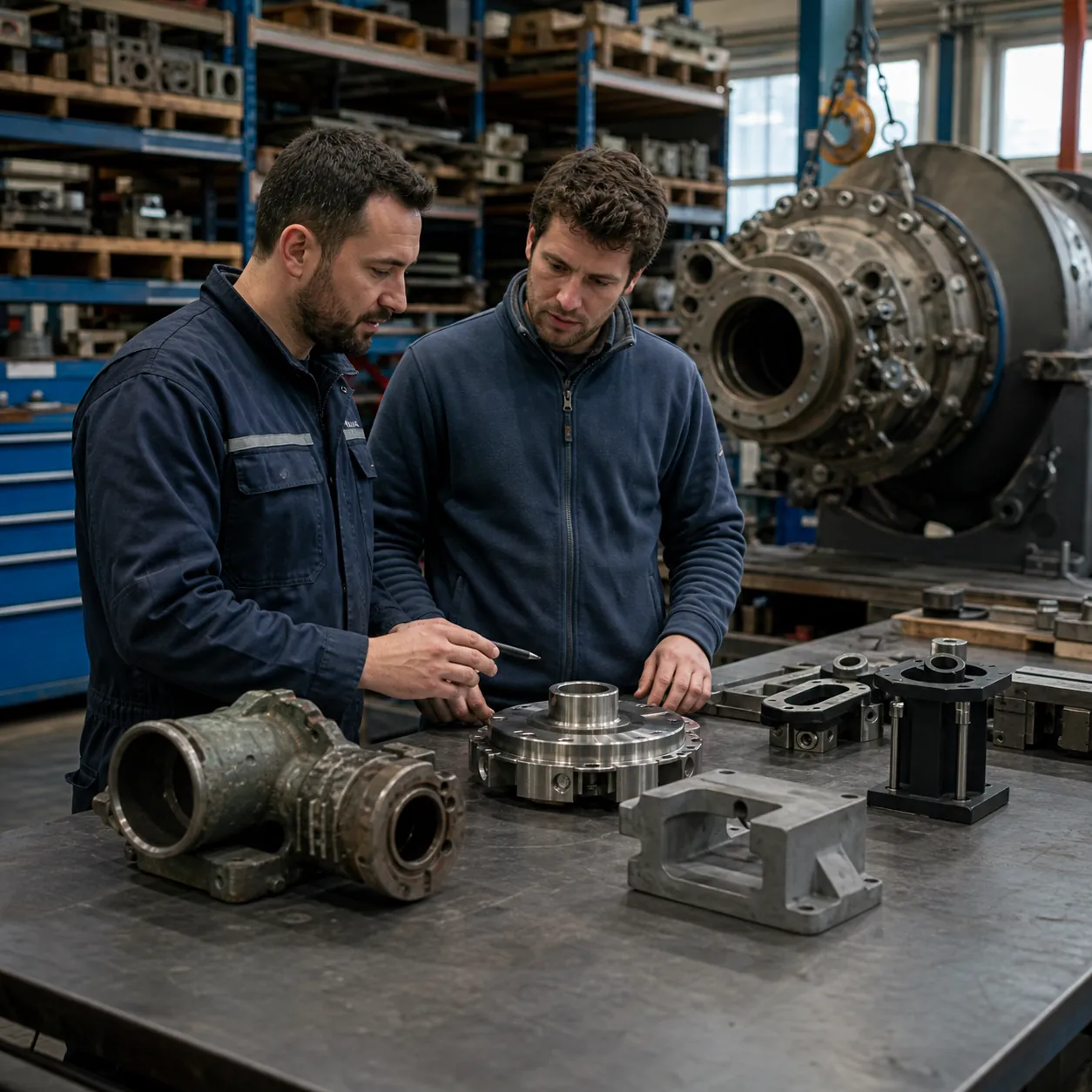
Reduce exposure on slow-moving references where physical inventory no longer matches actual demand.
Keep selected references ready for controlled production before a customer, operator or maintenance site needs them.
Preserve production knowledge when suppliers disappear, molds age, drawings are incomplete or teams change.
Support aftermarket revenue and customer confidence with a governed digital spare parts catalog.
Start with 50 critical or slow-moving references. GhostMatter can help assess TCO pressure, readiness gaps, physical stock decisions and the production routes worth preparing before demand appears.
Start with critical, slow-moving, obsolete, high-margin or hard-to-source parts where downtime, TCO or stock exposure is measurable. Typical candidates include covers, supports, guards, brackets, fixtures, maintenance tooling and low-volume replacement parts.
No. It helps decide which references can move from physical stock to controlled digital inventory, while critical fast-moving parts may remain physically stocked.
Yes. GhostMatter can support internal capacity, existing qualified suppliers or specialized production partners, depending on governance rules.
It gives aftermarket teams a governed way to keep long-tail references available without carrying every part physically, while preserving production context for future orders.