Distributed assets
Utilities, renewables and remote sites often depend on equipment spread across regions, operating environments and service teams.

Industry / Energy
Energy operators and equipment teams face long asset lifecycles, critical uptime needs, remote sites, obsolete references, and strict documentation expectations.
GhostMatter helps identify which energy equipment references should stay stocked, become governed digital inventory, or be prepared for controlled production.
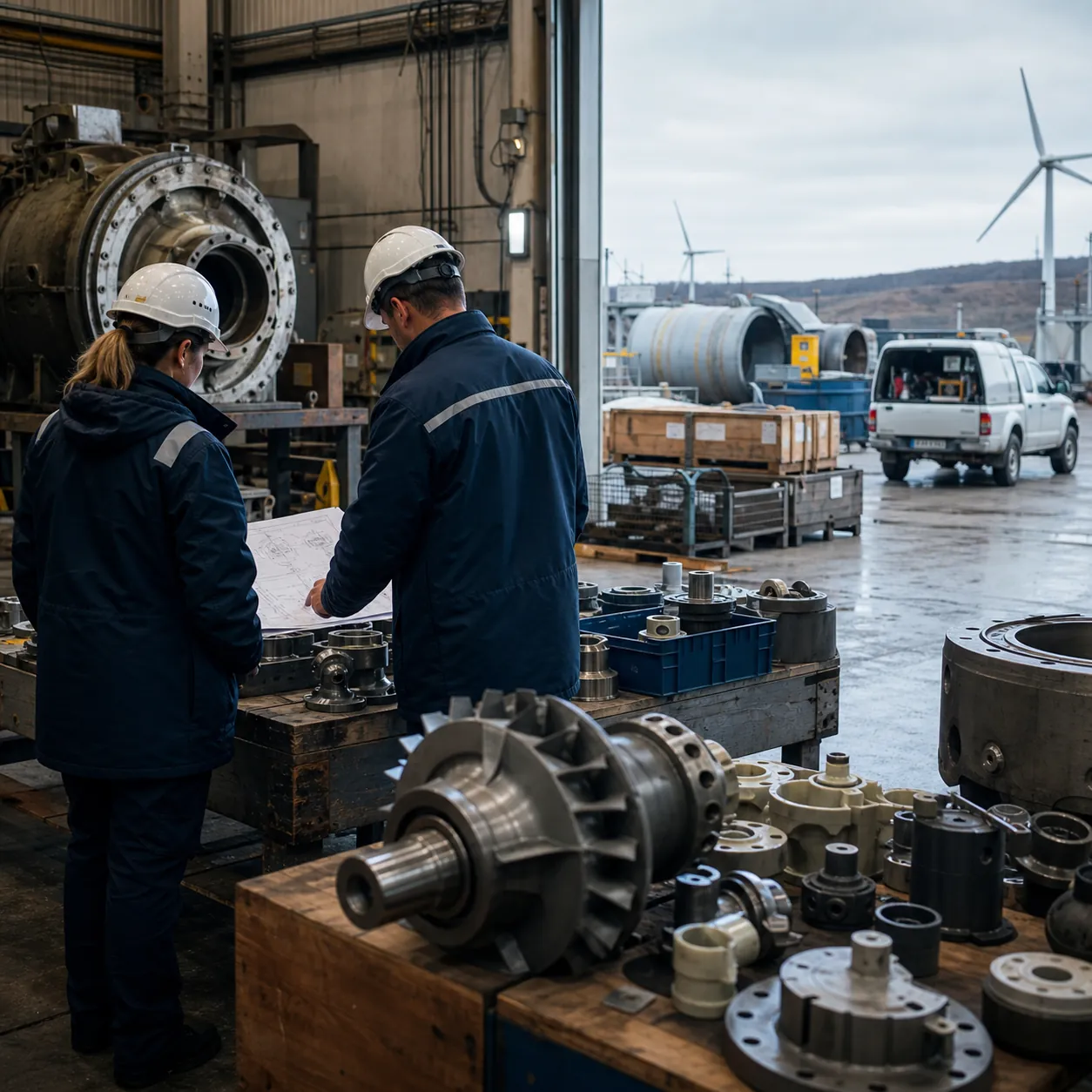
Utilities, renewables and remote sites often depend on equipment spread across regions, operating environments and service teams.
Some turbomachinery support items, replacement parts and maintenance-critical references depend on long lead times or single suppliers.
Planned outages and field interventions need parts, documentation and production options ready before the work window opens.
Drawings, scan data and production files need access control and traceability when several internal and external teams are involved.
When equipment uptime matters, teams need more than a file archive: they need readiness, permissions, route options, and traceable execution.
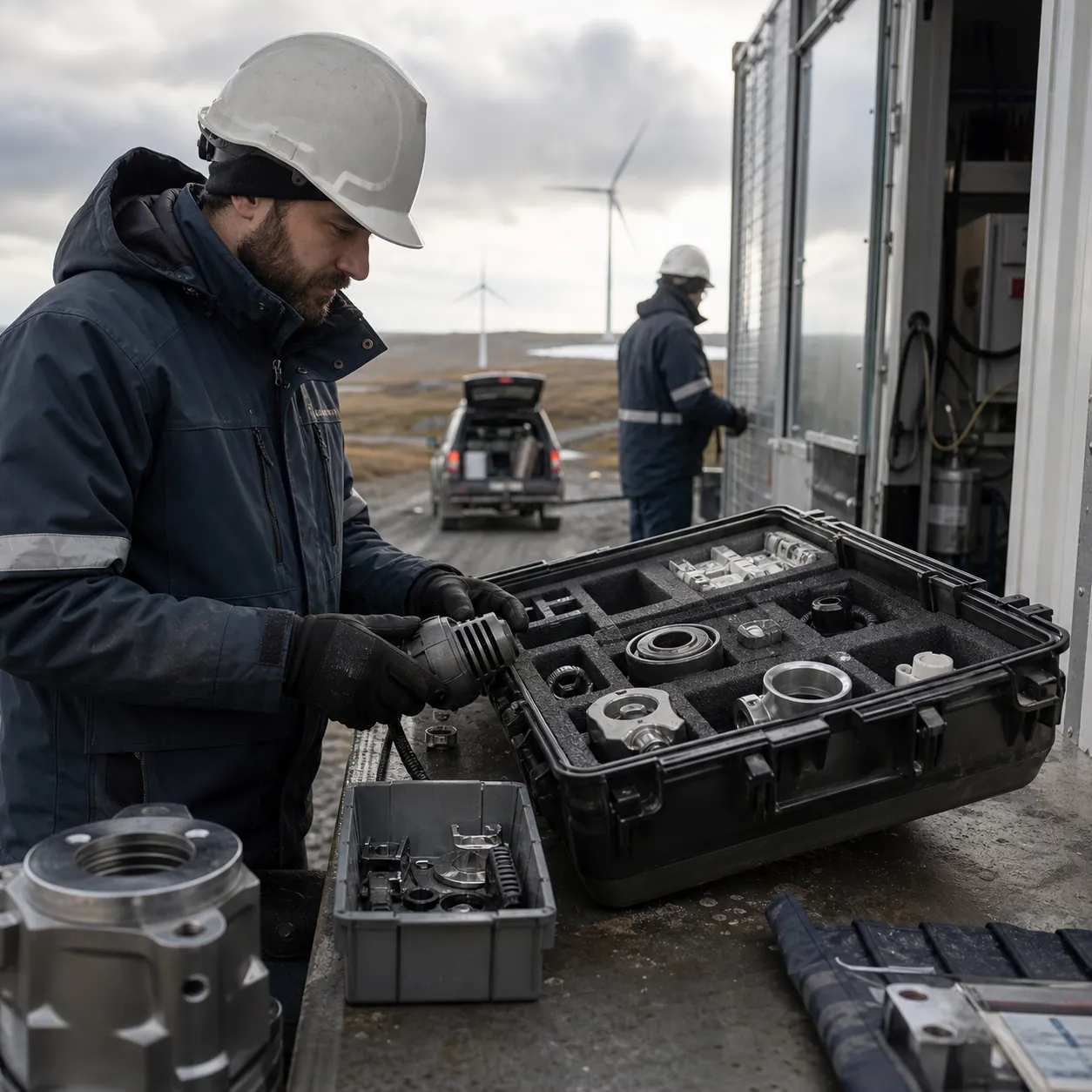
Prepare field teams with known part records, route options and documentation before the outage or service window.
Reduce dependence on reactive sourcing for selected parts where readiness work can be done earlier.
Keep legacy references actionable when supplier support, drawings or original tooling become harder to access.
Compare stock, digital inventory and requalification decisions against downtime risk, carrying cost and supplier exposure.
Start with one asset family, site cluster or maintenance program. GhostMatter can help assess which references should stay stocked, which can become governed digital inventory, and which need readiness work before production.
Because energy assets are often distributed, long-lived and operationally critical. Selected spares can be prepared as digital inventory to reduce sourcing uncertainty before a maintenance window or field intervention.
It can help when the part has already been digitized, checked and routed. The goal is to prepare before the emergency, not improvise during it.
Start with maintenance-critical parts linked to downtime risk, long lead times, supplier fragility, obsolete equipment, remote sites or recurring repair needs.
The platform positioning includes secure file management, access rights and traceability. Final security claims should be validated against the deployed architecture before publication.