A part is hard to find
A part is no longer available or sourcing it complicates maintenance.

Industrial software and support
GhostMatter organizes your digital inventory: your parts’ technical records, qualification status and links to orders. Our industrial support helps you assess candidate parts and prepare for on-demand manufacturing.
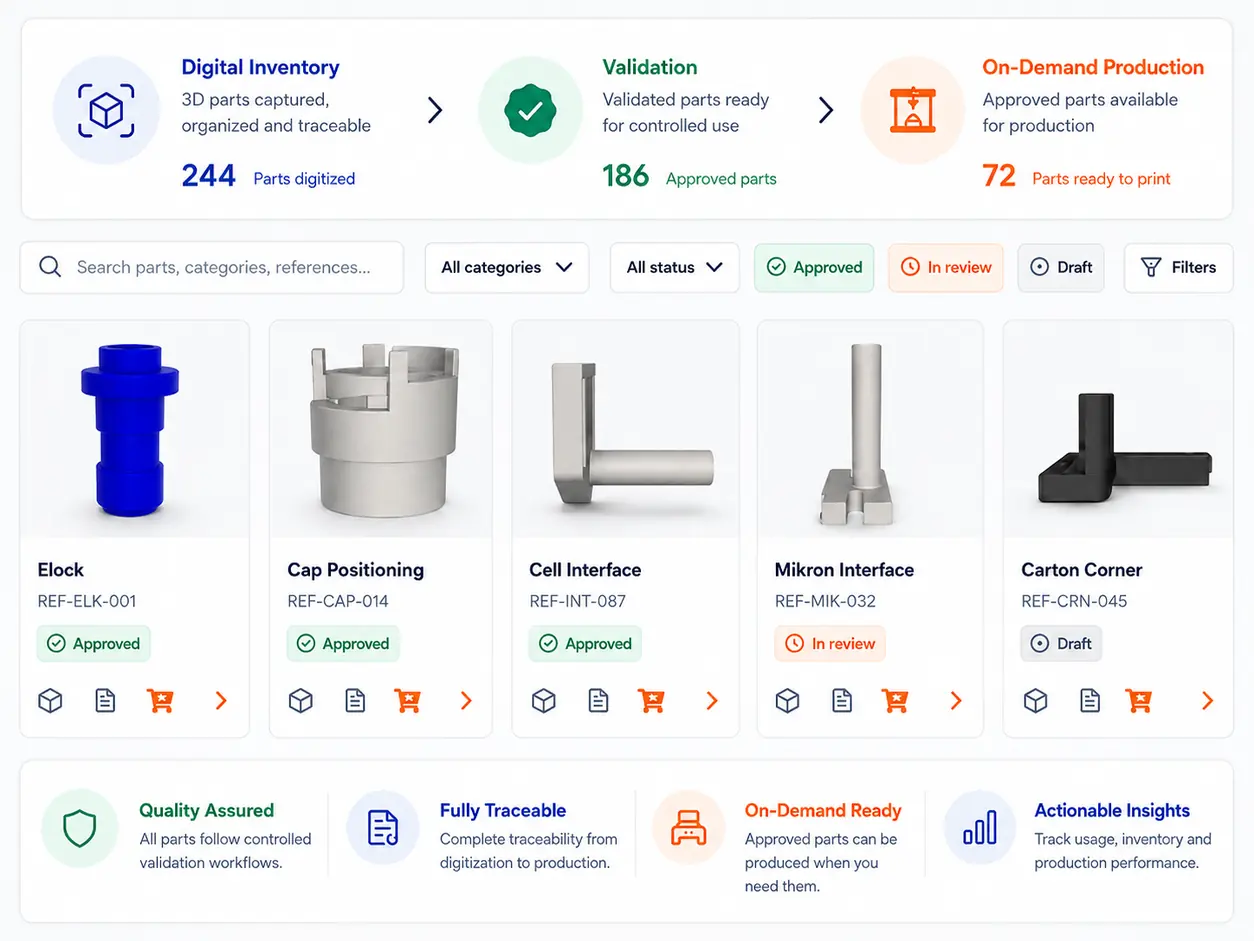







An unavailable part, scattered information or manufacturing conditions to clarify: identify what needs to be assessed before the next need arises.
A part is no longer available or sourcing it complicates maintenance.
Drawings, files and requirements need to be brought together to assess the part.
Application, material, process and acceptance criteria need to be defined before manufacturing.
Some parts need to stay in stock. For others, reviewing the data, application and manufacturing requirements can help prepare an alternative.
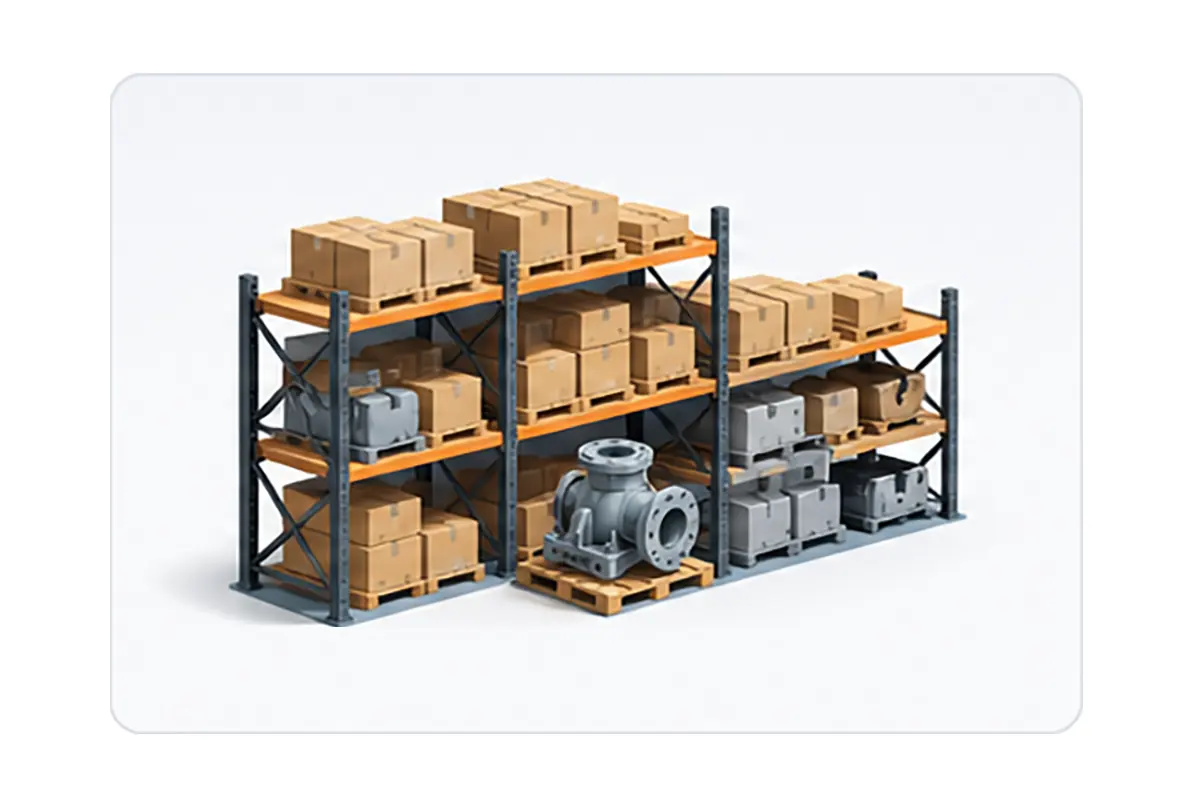
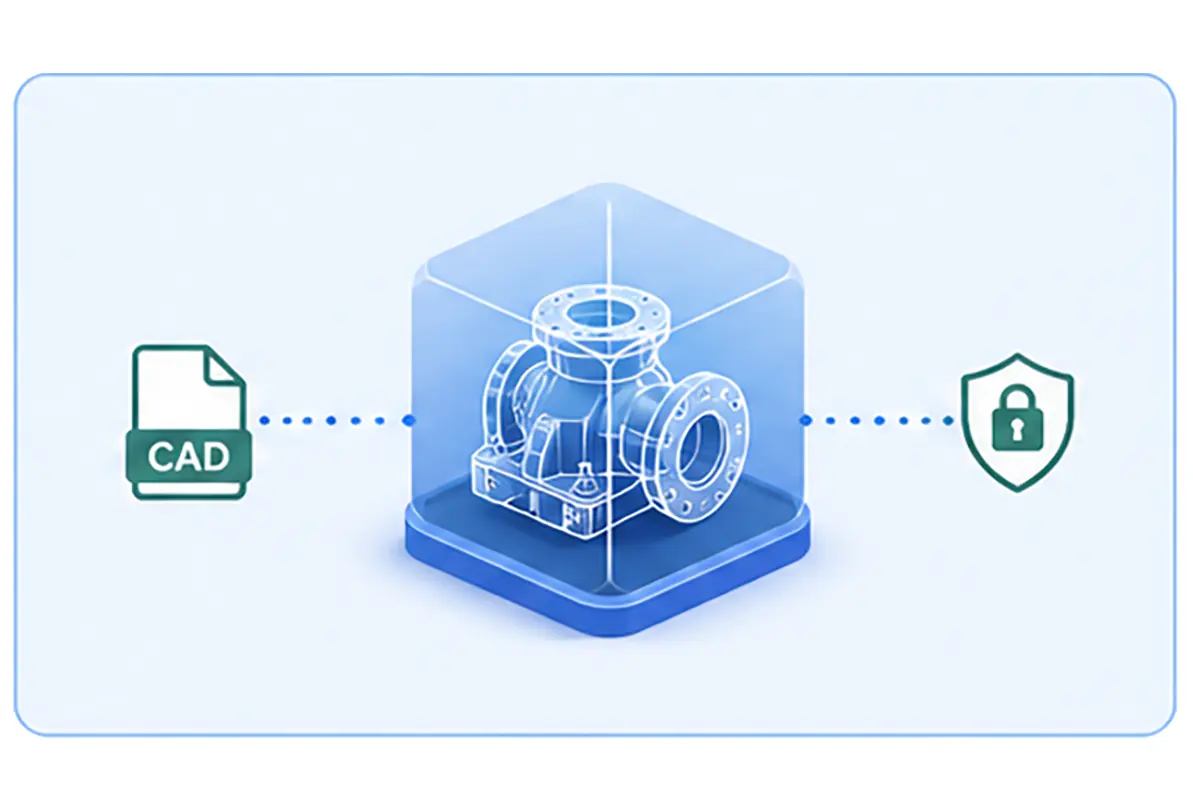
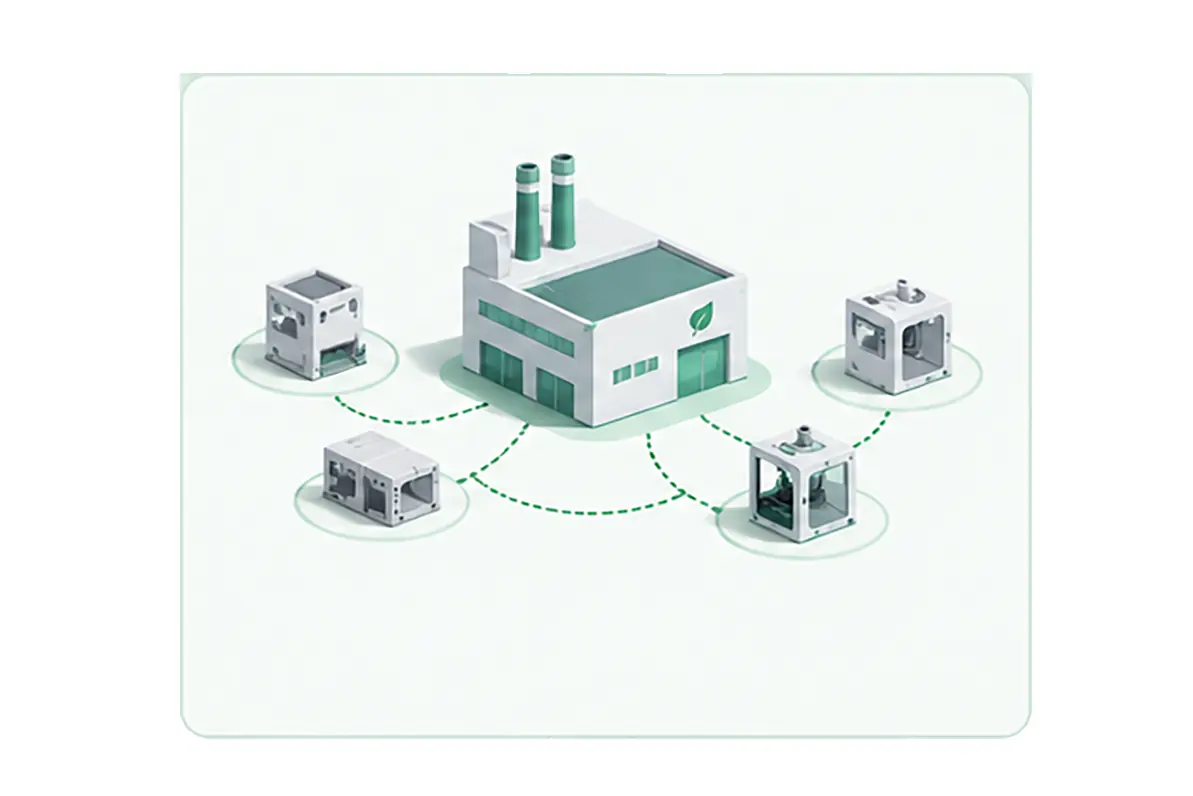
In GhostMatter, the digital twin is essential to quality management in MaaS (Manufacturing as a Service): manufacturing delivered as a service. It connects the part’s technical data, requirements, manufacturing conditions and validation information to provide a reference for successive manufacturing orders.
Files, technical requirements and application constraints.
Selected manufacturing conditions and approvals agreed with your teams.
Inspection documents and order history associated with the part.
A shared reference to prepare, validate and track manufacturing. Part qualification remains a human decision for a defined application and set of conditions.
Four steps with your teams, from the first discussion to subsequent manufacturing.
Identify the parts, their application and the available information to define what needs to be assessed.
Review the requirements and preliminary feasibility. Decide which parts need further investigation, should be ruled out or may be suitable for a pilot.
Prepare the records and carry out the agreed tests. Part qualification approves the part for a defined application and manufacturing conditions, based on acceptance criteria agreed with the teams involved.
Following approval, organize access and the ordering process around the selected parts. Use their records for manufacturing requests and tracking, then develop the inventory as needs evolve.
Spare parts, maintenance, additive manufacturing or distributed capacity: assess the parts and requirements relevant to your situation.
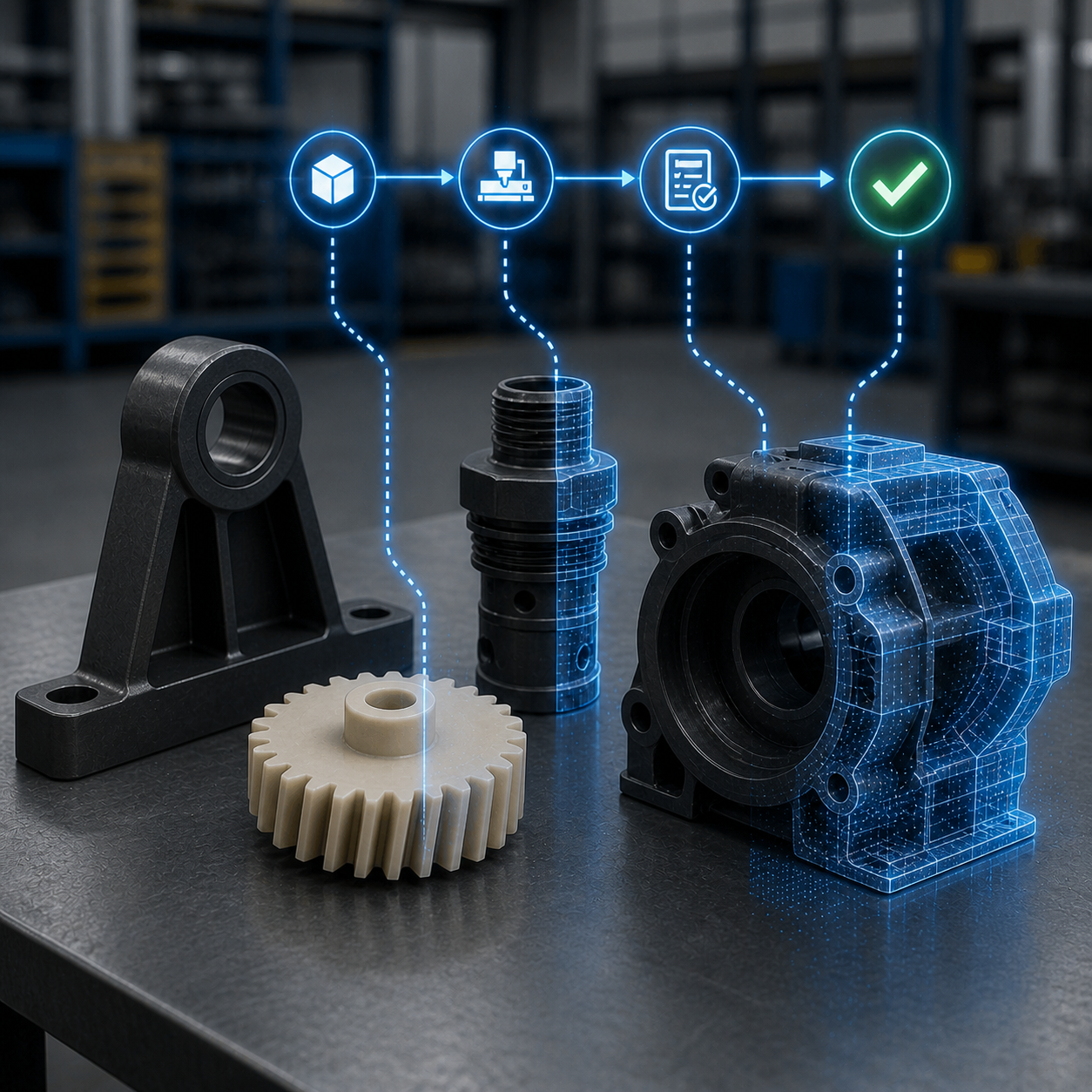
Assess parts that could be manufactured on demand, alongside the stock you need to keep.
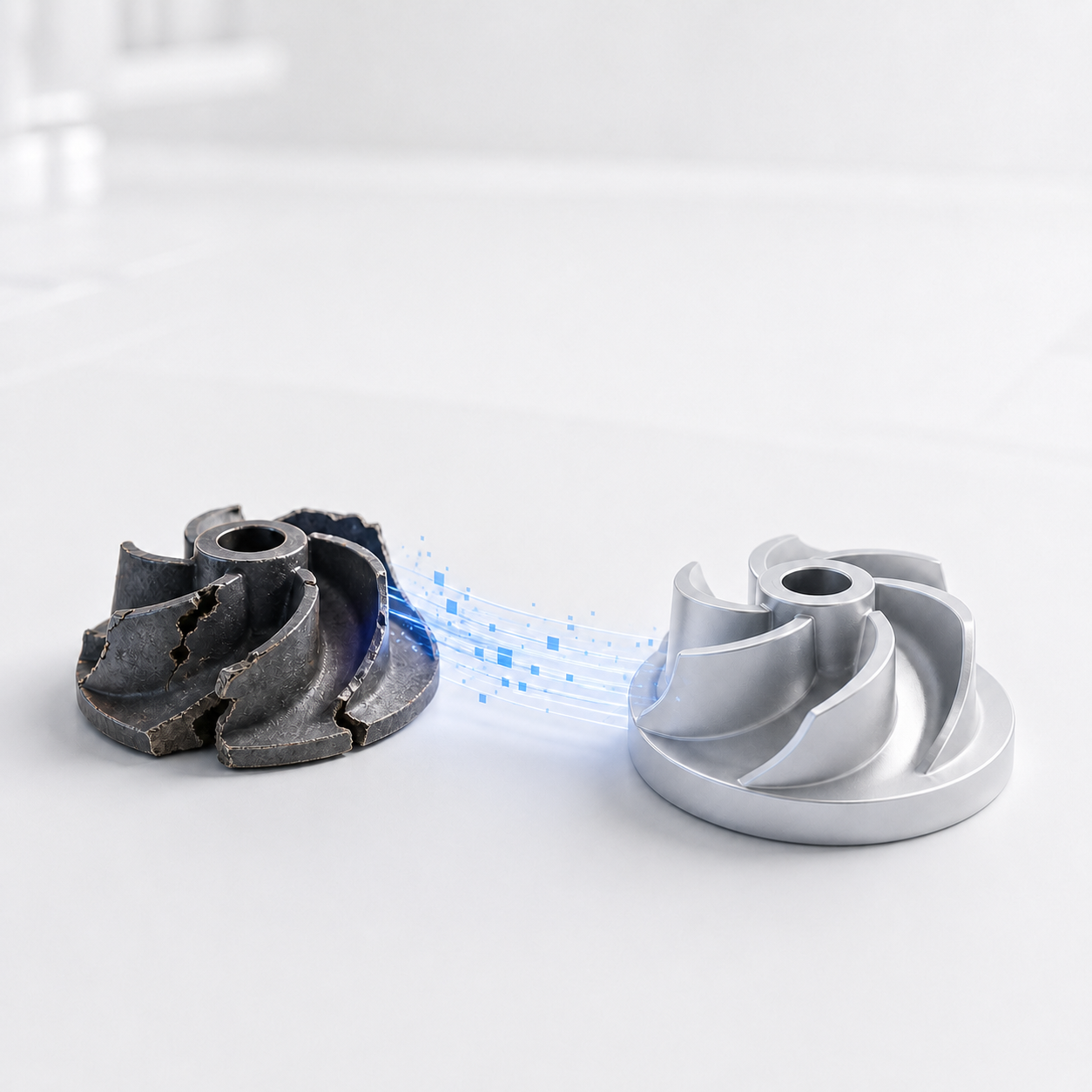
Prepare hard-to-source parts before the next need arises.
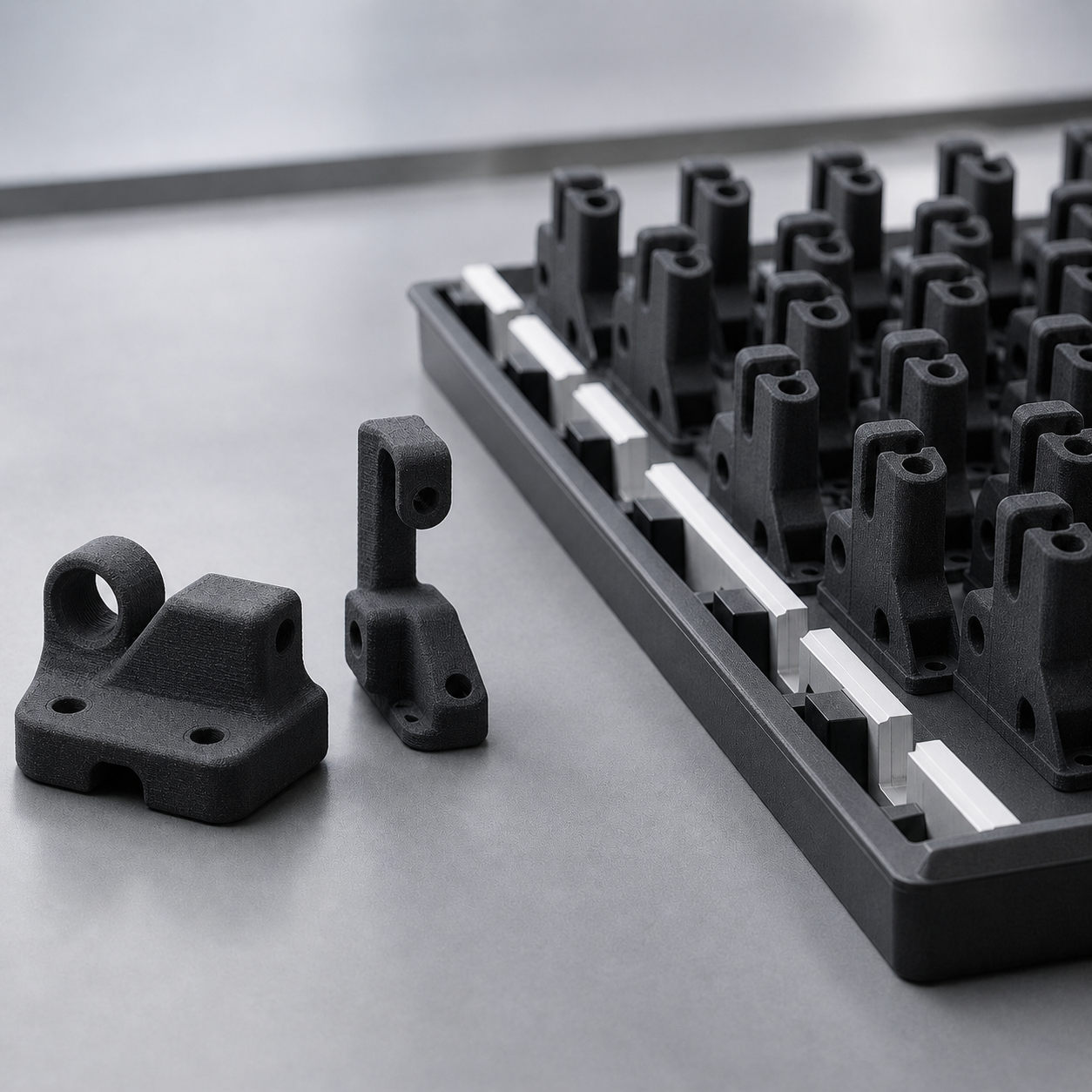
Define requirements and approvals to move from a pilot to subsequent manufacturing.
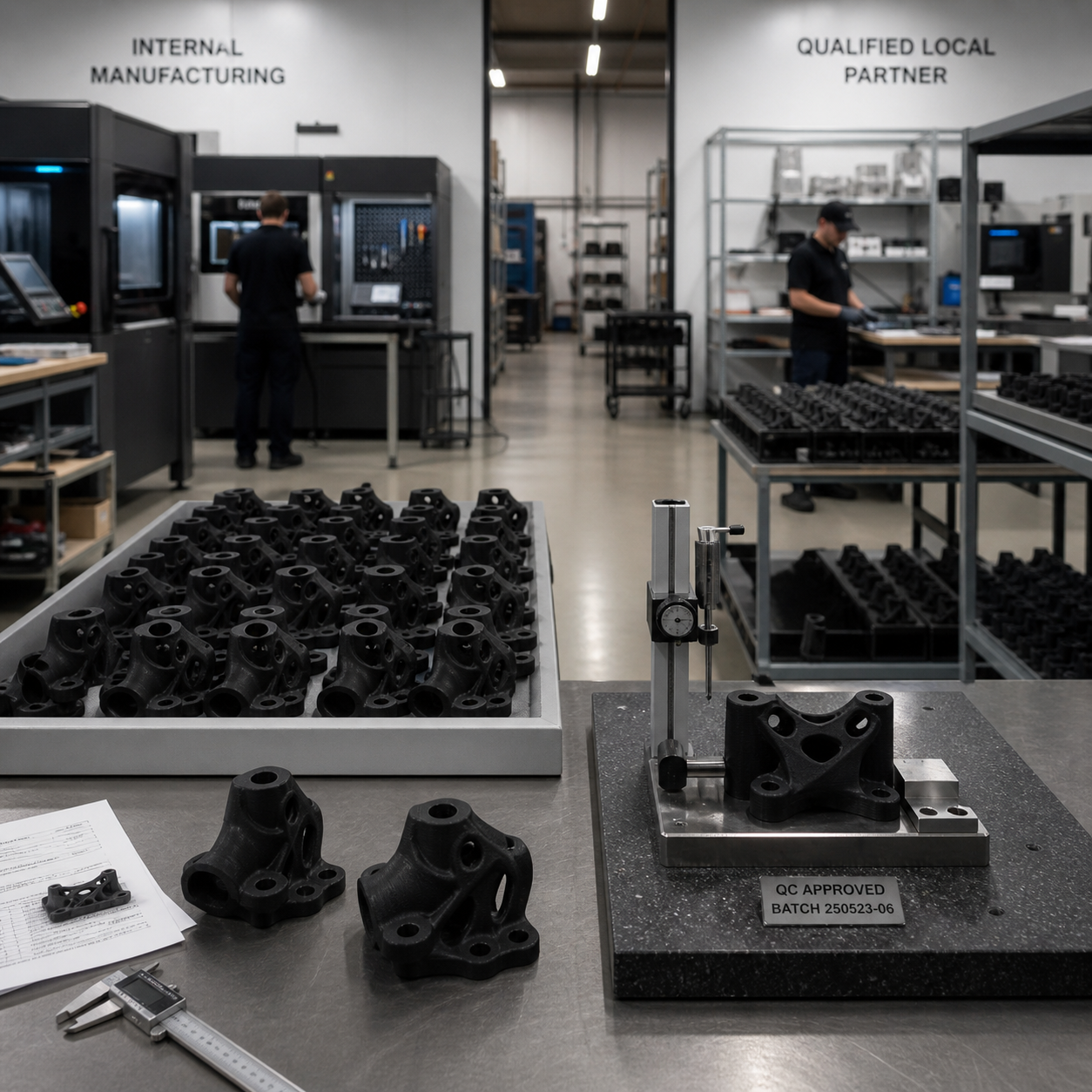
Organize requests with the suppliers and capacity planned for each part.
An initial conversation about your parts
Tell us about a few parts and the difficulties you face. We can then clarify the information needed and the next steps to consider.